


We make no secret of our belief that diet has the most significant impact on our health, and it is diet that allows us to turn around ill health.
Now, others are starting to believe the same.
The latest research paper from the VIRTA group in the USA demonstrated a dramatic effect on subjects with pre-diabetes when placed on a carbohydrate-restricted diet delivered remotely.
How did the study work?
The study looked at 96 patients with pre-diabetes and followed them for two years. 75% of participants remained in the study.
What happened next?
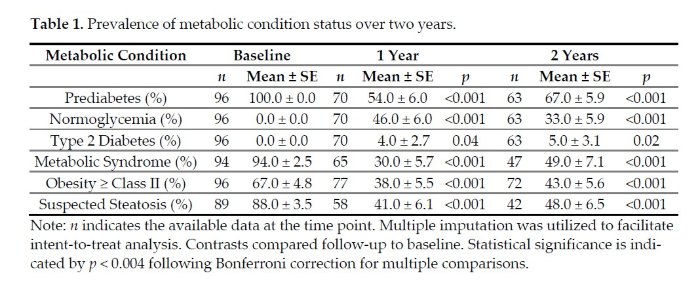
At 2 years, more than half of those people had reverted to normal blood glucose levels and only 3% had progressed to type 2 diabetes.
The prevalence of metabolic syndrome, class II or greater obesity, and suspected fatty liver disease significantly decreased. See the table below.
The bottom line
The study concluded: “This pilot study demonstrated that the majority of patients with prediabetes who chose to enrol in this intervention achieved normoglycemia and maintained clinically meaningful weight loss over two years, suggesting this intervention using carbohydrate-restricted nutrition therapy delivered through a continuous remote care model may provide an additional and alternative approach for type 2 diabetes prevention.”